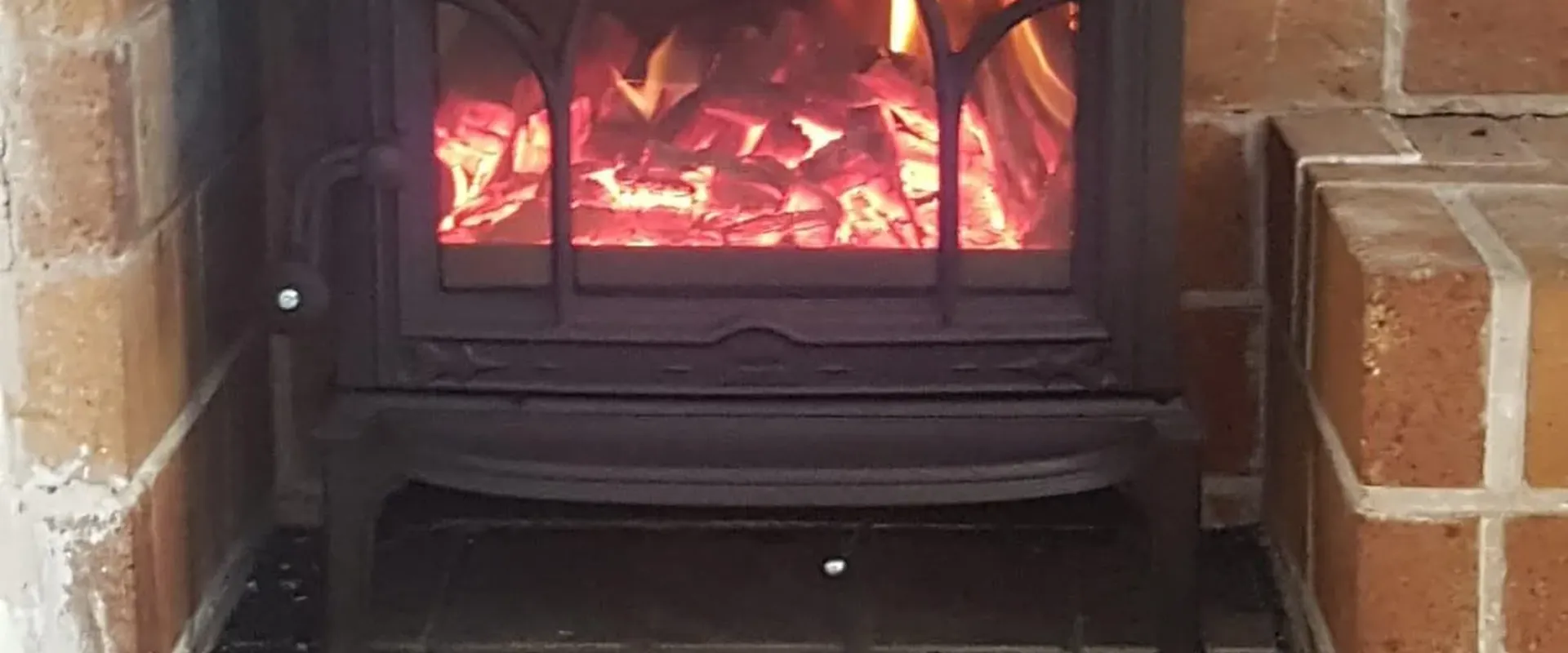
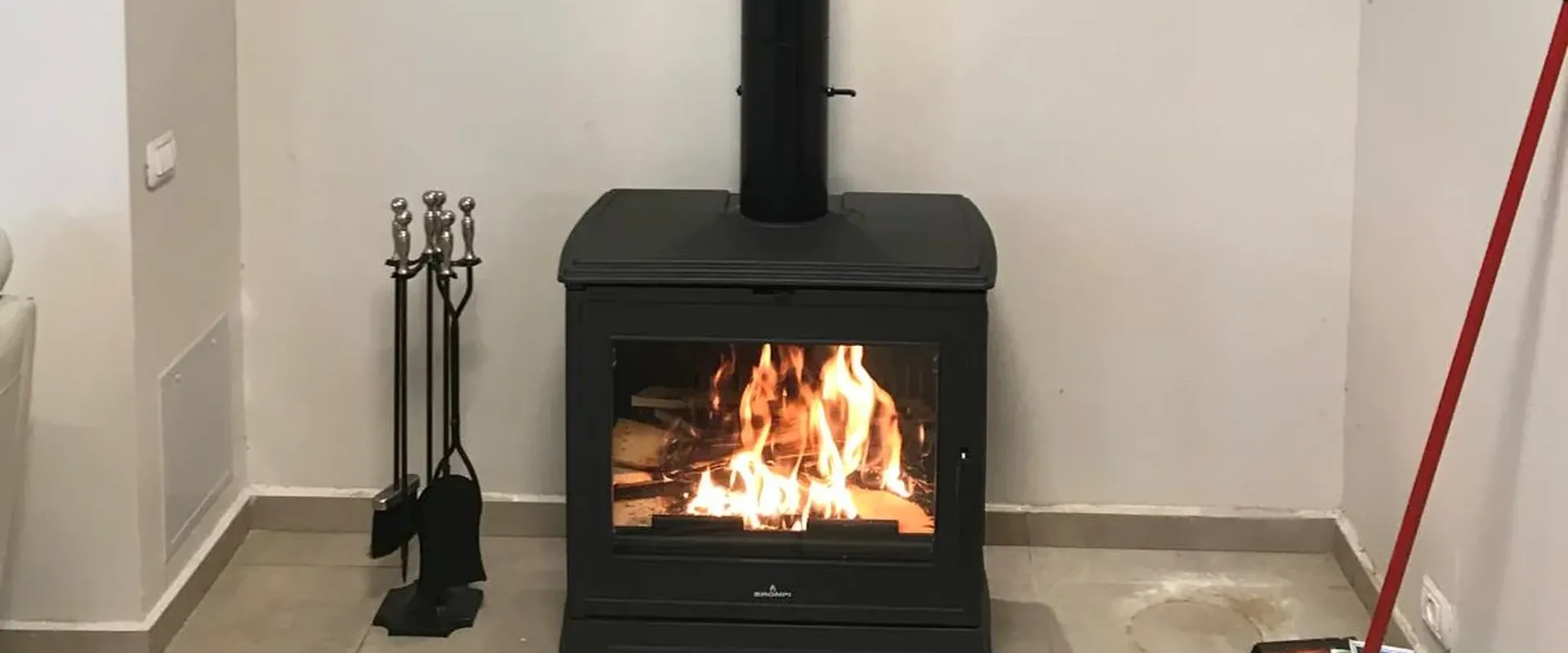
Choosing a fireplace for your home is a significant decision that affects design, heating and atmosphere for years to come. Two leading types on the market are gas fireplaces and wood-burning fireplaces, and each offers a different experience, different maintenance requirements and its own infrastructure. The decision between a gas fireplace and a wood-burning fireplace should be based on understanding the essential differences between them, so that it suits your lifestyle, your home's infrastructure and your heating needs.
A wood-burning fireplace provides a natural, warm atmosphere with the tangible burning of wood, while a gas fireplace offers greater ease of use, precise control of the flame and reduced maintenance. Each requires different infrastructure, whether in terms of a chimney, gas connections or safety requirements. It is also important to consider safety, ease of use, environmental aspects and long-term maintenance of the system.
In this guide we review the main differences between a gas fireplace and a wood-burning fireplace, examine the advantages and disadvantages of each, and offer points to consider before choosing. The aim is to provide professional, accurate and relevant information that will help you make an informed decision suited to your private space.
Required infrastructure
A wood-burning fireplace requires a compliant chimney to release smoke, as well as storage space for wood. The chimney is important for indoor air quality and safety, and its suitability must be checked before installation. A gas fireplace, by contrast, requires a professional connection to a gas supply and a ventilation system suited to the type of appliance.
Installing a gas fireplace is usually simpler in terms of infrastructure, but the routing of the gas pipes and safety around them must be taken into account. Every installation must be carried out in compliance with strict safety standards and in accordance with local authority guidelines.
Experience and everyday use
A wood-burning fireplace offers an authentic experience with the natural burning of logs, the scent of burning wood and the sounds of the fire. The aesthetic experience and the feeling of natural warmth are central for those who appreciate a traditional atmosphere.
A gas fireplace allows convenient, quick control of the flame, with on and off at the push of a button. It requires less handling and day-to-day maintenance, and suits those who prefer convenience and simplicity of use.
Routine maintenance
Wood-burning fireplaces require periodic cleaning of the chimney to remove ash and combustion residue, as well as proper storage of dry wood. Maintenance is an integral part of use and takes time and effort.
Gas fireplaces require relatively minimal maintenance, periodic checks of the gas system and only minimal cleaning. Professional inspections are recommended to ensure safety and proper operation.
Safety
Wood-burning fireplaces require special attention to safety around the open fire, as well as monitoring of the chimney to prevent fire risks or air pollution.
Gas fireplaces require professional, precise installation, with an emphasis on sound gas connections and periodic checks to prevent leaks. Built-in safety systems help reduce risks.
Environmental impact
Wood-burning fireplaces produce natural emissions of smoke and gases, and their impact on air quality in the home and the immediate surroundings should be considered.
Gas fireplaces are considered cleaner in terms of emissions, but the energy source and the use of natural resources should still be taken into account.
Comparison table
| Topic | Option A | Option B |
|---|---|---|
| Infrastructure | Requires a chimney for smoke release and wood storage | Connection to a gas supply and a suitable ventilation system |
| Experience | Authentic atmosphere with natural scent and sounds | Quick, convenient control at the push of a button |
| Maintenance | Chimney cleaning, ash removal and wood storage | Periodic checks and minimal cleaning |
| Safety | Supervision of the open fire and chimney | Inspection and securing of gas connections |
| Environmental impact | Natural smoke emissions | Lower emissions, depending on the gas source |
Suitable for
- People who value an authentic experience with a natural fire
- Homes with suitable chimney infrastructure
- Users willing to invest in routine maintenance
- Those who prefer a natural, ecological design look
Less suitable for
- Homes where a chimney cannot be installed
- Those looking for a simple, easy-to-operate heating solution
- People with maintenance or time constraints
- Urban environments with restrictions on burning wood
Worth checking beforehand
- Checking the suitability of the chimney and existing infrastructure
- Confirming a professional, approved gas connection
- Matching the fireplace location to the design and infrastructure of the home
- Consulting an expert before installation
- Reviewing safety requirements and relevant standards
Common mistakes
- Choosing a fireplace without checking for suitable infrastructure
- Neglecting routine maintenance of the chimney or gas system
- Ignoring safety aspects in installation and use
- Choosing on looks alone without considering operation
- Not carrying out the recommended periodic inspections
Good to know: Fireplaces must be installed by qualified professionals, in compliance with safety standards and infrastructure guidelines.
Frequently asked questions
What is the main difference between a gas fireplace and a wood-burning fireplace?
A wood-burning fireplace provides an authentic experience with a natural fire and requires a chimney, while a gas fireplace offers greater convenience with simple control and reduced maintenance.
Can a wood-burning fireplace be installed in a city apartment?
Depending on the infrastructure and local regulations, installing a wood-burning fireplace in an urban apartment may be restricted and require the appropriate approvals.
How much maintenance does each type of fireplace require?
A wood-burning fireplace requires chimney cleaning and ash removal, while a gas fireplace requires periodic checks and minimal cleaning.
Is a gas fireplace safe to use in a home with children?
With professional installation and advanced safety systems, a gas fireplace is considered relatively safe, but supervision and correct use should always be maintained.
Is there a significant difference in energy consumption between the two types?
Energy consumption depends on the model, infrastructure and use, and you should consult an expert to assess what suits you personally.
How do I choose a fireplace that suits my home's design?
It is recommended to consult an expert who will review your design style, home infrastructure and heating needs, and to choose a fireplace that combines functionality and design.