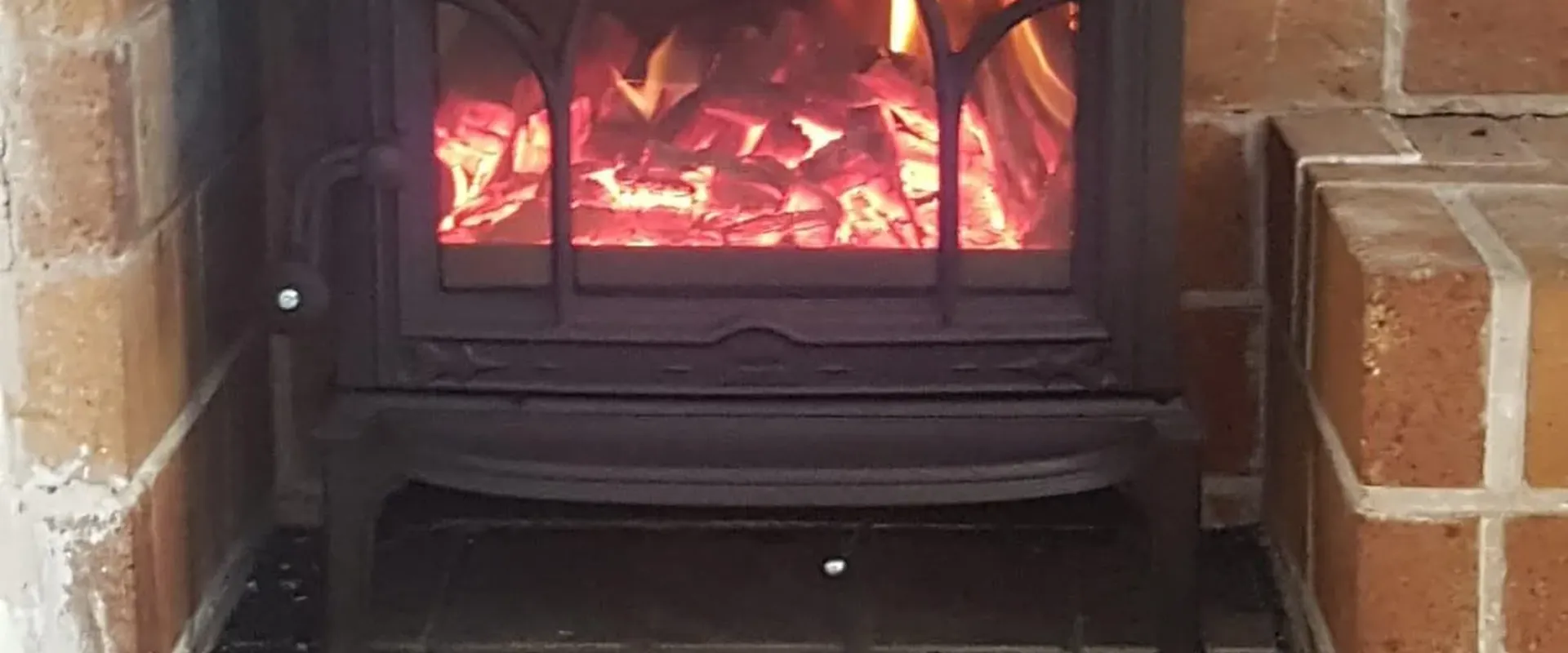
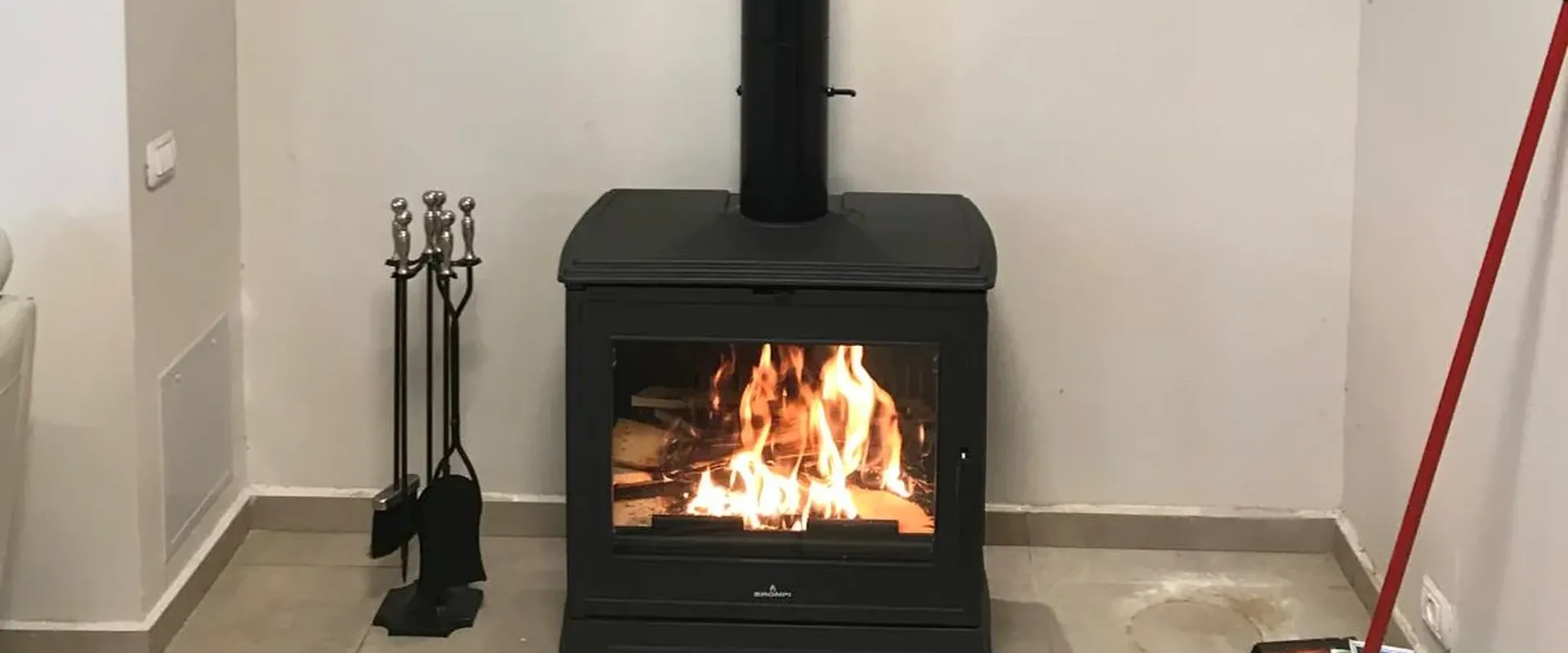
Choosing a fireplace for your home is not just choosing a heating product — it is a process that combines technical, aesthetic and personal considerations. A quality fireplace can serve as a central focal point in the home, provide pleasant heat and create a warm, inviting atmosphere. At the same time, you need to take into account the type of fuel, the chimney routing, how the dimensions fit the home's design, and operating and maintenance needs.
The market offers a wide range of fireplaces – gas, wood, pellet, electric and bioethanol, as well as outdoor fireplaces designed for open spaces. Each type has its own advantages and challenges, so it is important to know the different options and match your choice to your home and lifestyle.
Hot House offers professional advice and a comprehensive suitability check, to make sure the chosen fireplace integrates optimally into your living space and meets all your heating and design needs. In this guide we focus on the key considerations for those starting the selection process, and point you to further sources of information and the range of fireplaces offered on the site.
Common types of fireplaces
There are several types of fireplaces suited to different needs and different fuel types. Each type offers a different user experience, a different level of maintenance and varying infrastructure requirements.
Gas fireplaces
Gas fireplaces provide clean, convenient heating with precise control of the flame. They suit homes with a natural gas connection or gas cylinders, and offer a high level of operating convenience.
Wood-burning fireplaces
Wood-burning fireplaces provide natural heat and an authentic atmosphere with real flames. They require a suitable chimney and routine maintenance of ash removal and cleaning.
Pellet stoves
Pellet stoves use small compressed wood pieces (pellets) as fuel. They are efficient and economical, with automatic control of ignition and heat output.
Electric and bioethanol fireplaces
Electric fireplaces offer a convenient heating solution with no need for a chimney, and are especially suitable for small spaces or apartments. Bioethanol fireplaces use a natural liquid fuel to create a real flame without smoke or a chimney.
Outdoor fireplaces
Outdoor fireplaces are designed for the garden or balcony, with resistance to weather conditions and outdoor heating solutions.
Who is a fireplace suitable for?
A fireplace can suit a wide range of homes and needs, but it is important to make sure it is the right fit.
When is a fireplace not suitable?
There are situations in which a fireplace is not the right solution or requires special adaptations.
What to check before buying a fireplace?
Before deciding on a fireplace, it is recommended to carry out various checks and verifications to ensure suitability and quality.
Common mistakes when choosing a fireplace
Choosing a fireplace without taking all the considerations into account can lead to discomfort, unnecessary costs and safety problems.
Suitable for
- Homes with a suitable chimney or the option of a new installation
- Families looking for natural heating and a warm atmosphere
- Interior designers and architects who want a central element in the home's design
- People looking for a heating solution that combines convenience and low maintenance
- Spaces with accessible gas or electricity infrastructure
Less suitable for
- Apartments with no option of installing a chimney or suitable infrastructure
- People who prefer portable rather than fixed heating solutions
- Places with safety restrictions or regulations on installing a fireplace
- Homes where routine maintenance is not possible or desired
Worth checking beforehand
- Checking whether a chimney or exhaust system can be installed
- Verifying which fuel type is available and accessible in your area
- Matching the size of the fireplace to the space and heating needs
- Consulting a professional adviser to assess suitability
- Checking maintenance and cleaning requirements before deciding
Common mistakes
- Choosing a fireplace that does not suit the home's infrastructure
- Ignoring safety permits and regulations
- Not estimating ongoing maintenance costs
- Choosing on looks alone without considering functionality
- Not carrying out a professional suitability check before buying
Good to know: A fireplace must be installed in accordance with safety guidelines and standards, with a check of its suitability for the chimney and the installation environment.
Frequently asked questions
How do I know which type of fireplace suits my home?
Suitability depends on the home's infrastructure, the type of fuel available, the size of the space and your personal needs. It is recommended to consult a professional team for a suitability check.
Can a gas fireplace be installed in a city apartment?
Installing a gas fireplace in an apartment depends on approval from the authorities and the existing infrastructure. This should be verified in advance with the help of professional advice.
What is the difference between a wood-burning fireplace and a pellet stove?
A wood-burning fireplace burns natural logs and requires a chimney and routine maintenance, while a pellet stove runs on small compressed wood pellets with automatic control and easier cleaning.
How much maintenance does an electric fireplace require compared with a wood-burning fireplace?
An electric fireplace requires minimal maintenance since there is no real combustion, while a wood-burning fireplace requires ash cleaning and routine chimney maintenance.
Can a fireplace also be used as part of the home's interior design?
Absolutely. A fireplace is a central design element that can blend harmoniously with the style of the home and create a warm, unique atmosphere.
What should be checked before installing an outdoor fireplace?
Make sure the fireplace is weather-resistant, that the location is suitable and that it is safe to use in the open space.
How can I make sure the fireplace is safe to use?
It is important to follow the installation guidelines, make sure the systems meet the standards and use a certified technician for periodic inspections.