Guide · Wood-Burning Fireplaces · Heating Materials
The Guide to Burning a Wood Fireplace Properly: Choosing Wood, Measuring Moisture and Efficient Combustion
A wood-burning fireplace is more than a design focal point. To get steady heat, a cleaner chimney and sensible heating costs, it is important to understand what goes into the combustion chamber. In this guide we explain which types of wood are suitable for burning, why moisture content determines almost everything, and how secondary combustion in modern fireplaces changes the result at home.
Why the Type of Wood Matters: The Advantage of Hardwoods
Not every wood is suitable for home heating. Softwoods (such as pine and some fir species) light relatively easily, but burn quickly and tend to leave more resin residue. That residue — creosote above all — builds up in the chimney and on the glass, makes maintenance harder and reduces combustion quality.
For everyday heating it is best to choose dense hardwoods, with oak at the top of the list. High density translates into slower, steadier burning, heat output over a longer period, and fewer reloads during the evening. Other hardwood species can also be suitable, provided the wood is dry, free of coatings and properly seasoned.
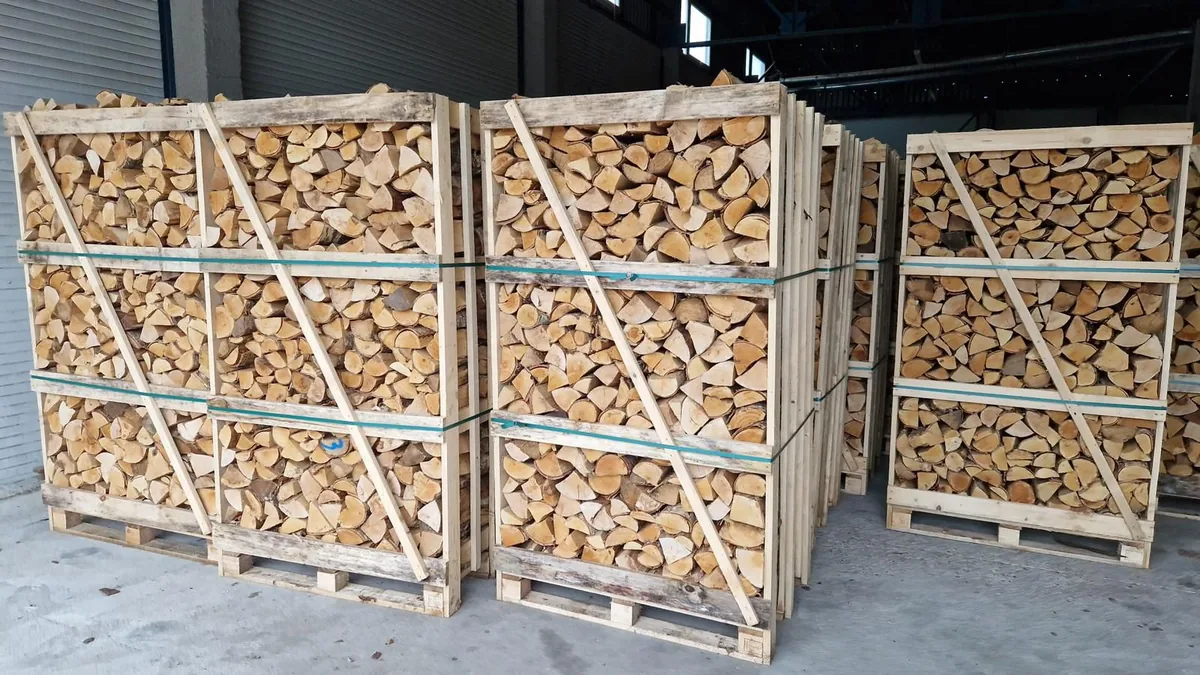
- Hardwoods (oak, etc.): long burn, steadier heat, fewer reloads.
- Softwoods: easy lighting, but fast burning and a higher risk of soot and creosote.
- What not to burn: painted, glued or chemically treated wood, or construction waste — even if it “lights”.
The Big Secret of Heating: Moisture Content
One of the most common mistakes among fireplace owners is using wood that is not dry enough. Even good-quality oak will not heat well if it is wet: a large share of the energy goes into evaporating water instead of heating the room. The result in practice — thicker smoke, glass that gets dirty quickly, and a weak feeling of heat relative to the amount of wood.
How do you check moisture properly?
It is a good idea to keep a wood moisture meter at home. Before buying a cubic metre of wood or before putting a log in the fireplace:
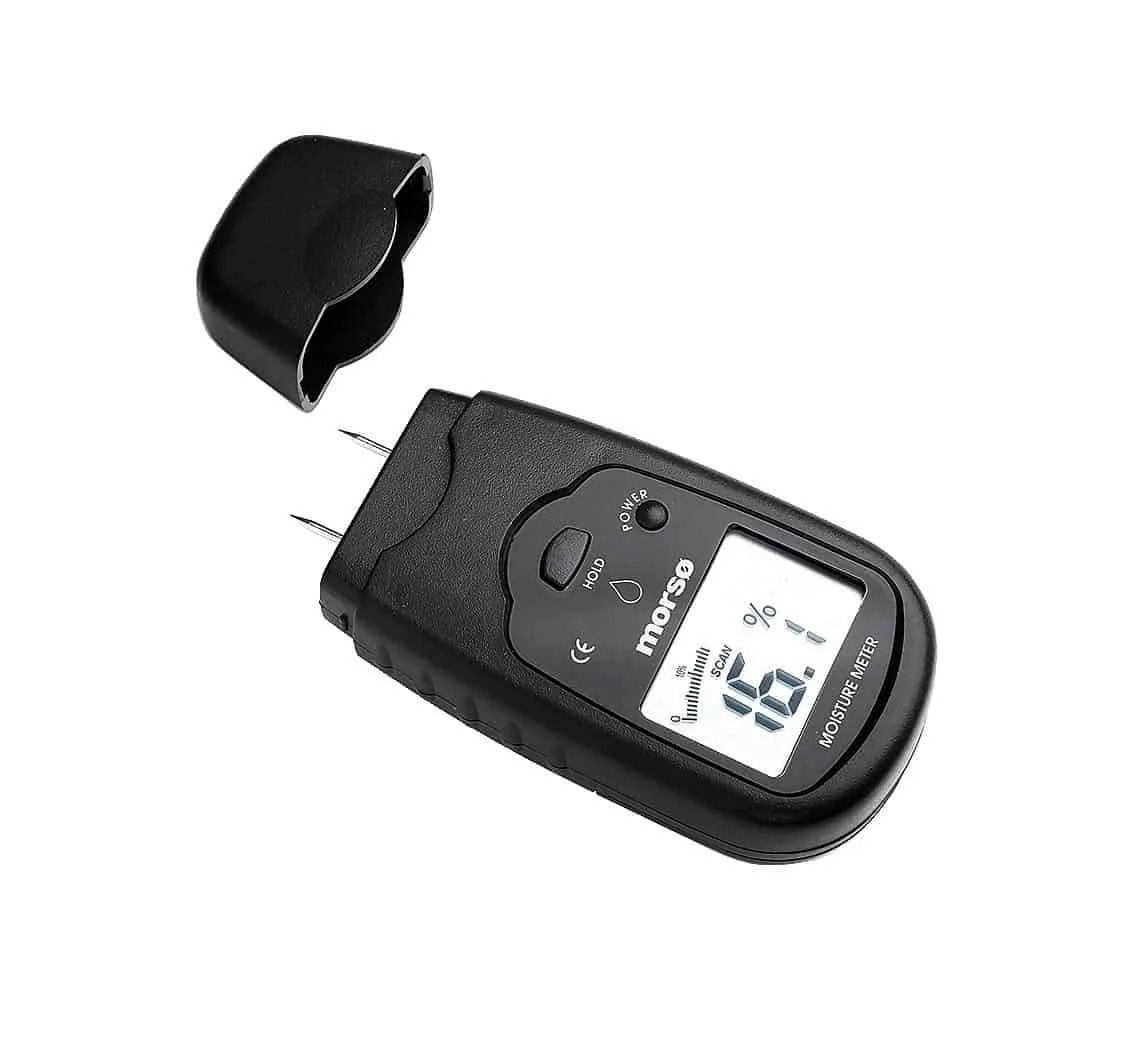
- Split a representative log in two.
- Measure the freshly exposed inner face — not just the outer bark.
- Check several logs from different parts of the pile, not a single sample.
- Below 20% moisture: a comfortable range for home heating. Cleaner combustion and more efficient heat.
- Around 20%–25%: sometimes usable, but it is usually better to dry it further before the peak season.
- Above 25%: the wood needs further drying in open, ventilated air, protected from rain and with gaps between the logs.
Practical tip: wood that looks “dry on the outside” after a few days in the sun can still be damp inside. Measuring the inside saves a whole season of frustration.
Secondary Combustion: Getting More Heat from Every Log
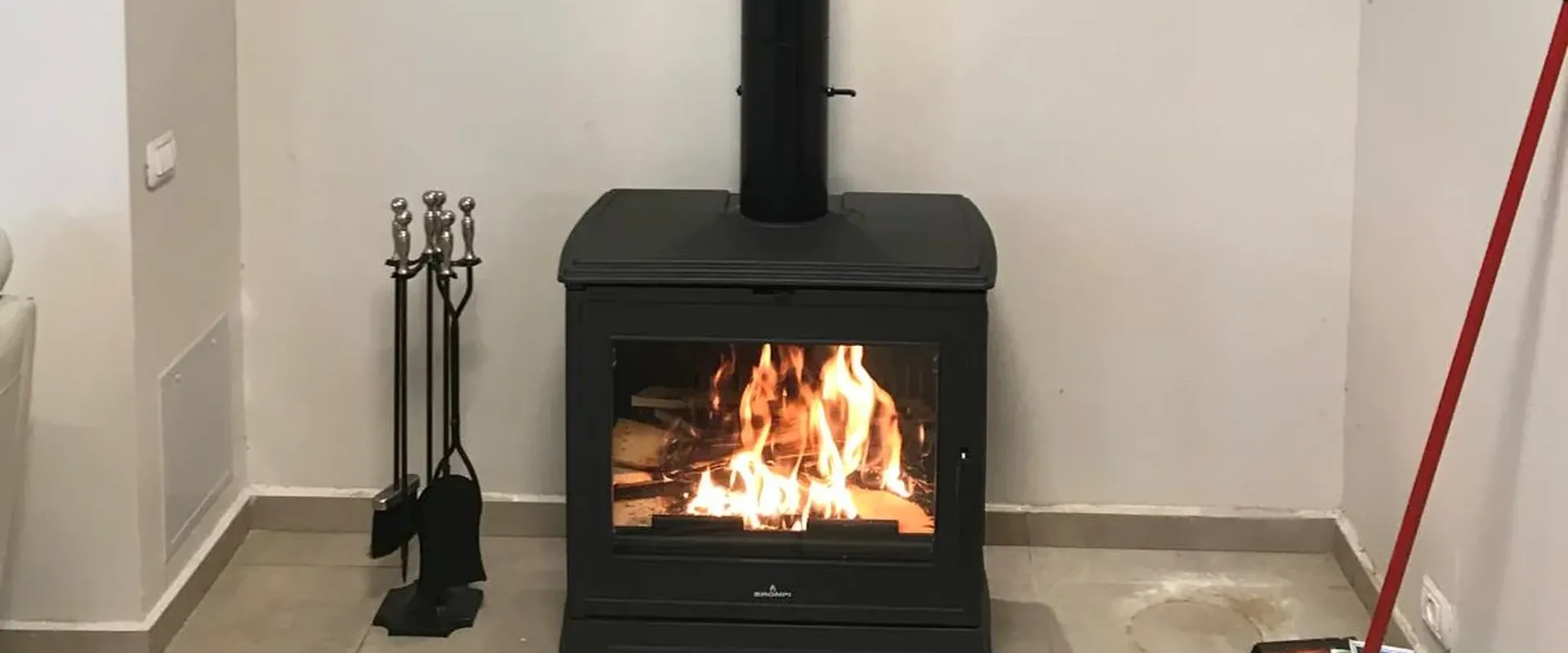
Modern wood-burning fireplaces do not work like an open bonfire. In secondary combustion (Secondary Burn), additional air — usually preheated — is fed into the upper part of the combustion chamber. This air re-ignites gases and particles that escape in older fireplaces, before they leave through the chimney.
In traditional fireplaces a large share of the combustion gases is lost as wasted energy. In fireplaces with advanced air control (including models with control mechanisms in the style of advanced systems such as Woodbox, depending on the model) you can adjust the intensity of the fire more precisely and extend the burn time — always according to the manufacturer’s instructions and your installation.
What do you actually gain?
- More heat from the same amount of wood — less waste from unburnt gases.
- Reduced smoke and particles compared with primary combustion alone (not a promise of “zero smoke” in all conditions).
- Better control over the intensity of the fire and a longer burn time at night.
- Easier maintenance — Airwash systems help keep the glass cleaner, and the chimney tends to accumulate less dirt when the wood is dry and combustion is steady.
A Short Heating Routine That Respects Your Fireplace
- Start with dry wood and suitable firelighters — no lighting fluids on hot embers.
- Open the air vents according to the model’s instructions until the fire stabilises.
- Add logs only once there is a good bed of embers, without choking the combustion chamber.
- Aim for steady secondary combustion: a lively flame, less heavy smoke from the chimney, and glass that stays clear.
- Plan chimney cleaning and a seasonal inspection — especially before winter.
Summary: Heat Smart in Winter
A good fire starts with the right wood: hard, dry and measured. From there, controlling the fireplace’s air supply enables more efficient secondary combustion, less dirt, and heat that lasts through the evening. If you are considering upgrading to a fireplace with an advanced combustion system, or want to make sure your infrastructure and chimney are suitable — this is exactly the point to stop guessing and move on to a professional assessment.
Not sure which wood-burning fireplace suits your home?
View the wood-burning fireplace catalogue
·
Heating materials quality guide
·
Get advice and leave your details
Frequently Asked Questions
How often should a wood-burning fireplace chimney be cleaned?
In most homes a professional inspection and cleaning is recommended at least once a season, and before winter begins. More frequent cleaning is needed if you use damp wood or resin-rich softwoods, or if there are signs of unusual smoke, odour or reduced output. Regular cleaning reduces the risk of creosote and improves safety.
Can oak be mixed with other woods?
Yes, provided all the wood is dry and measured. You can start with wood that lights a little more easily and then switch to oak for a long burn — but do not rely on softwoods as a permanent base for a whole season if your goal is steady heat and a clean chimney.
Why does the fireplace glass blacken quickly?
It is usually a combination of wood that is too damp, combustion that is too smoky, or incorrect air settings for the lighting stage. Wood below 20% moisture, orderly lighting, and a fireplace with a well-adjusted Airwash system significantly reduce soot. If the problem recurs, it is also worth checking the condition of the chimney and whether the fireplace suits the space.