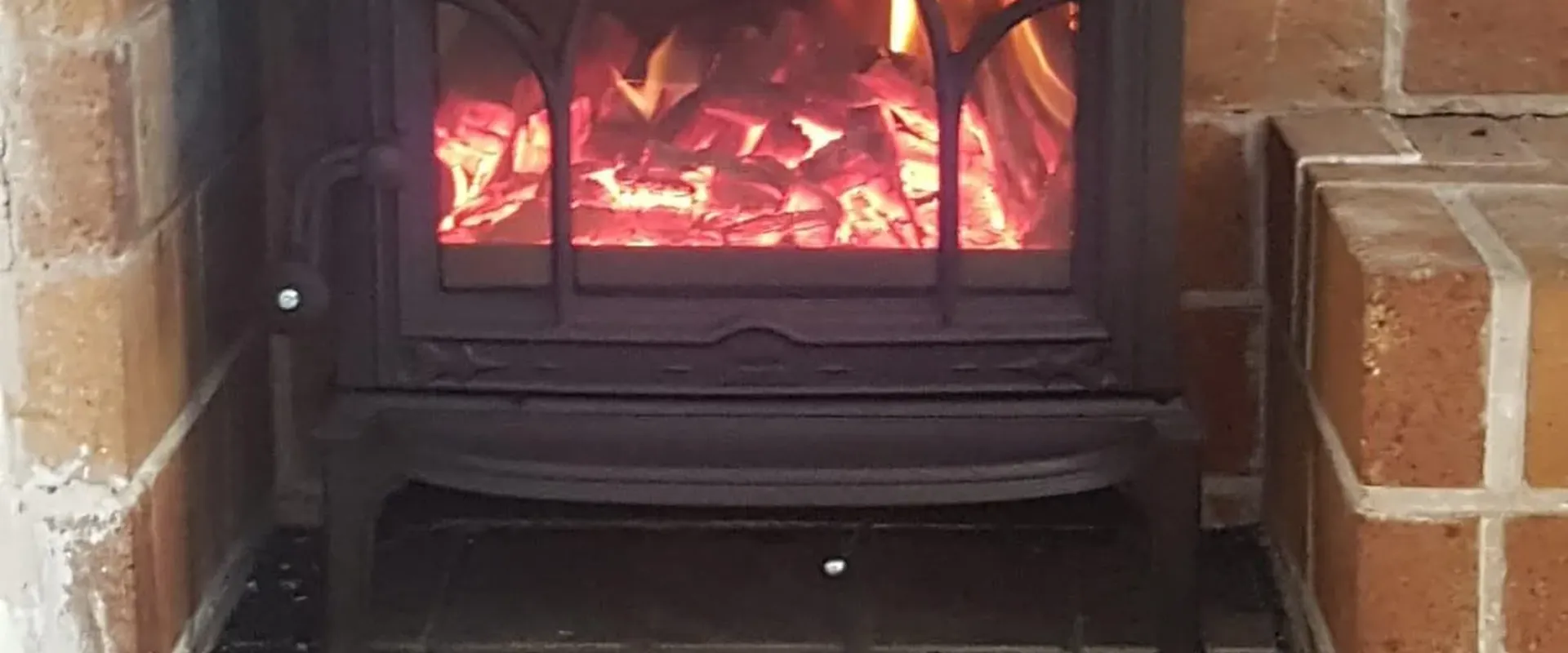
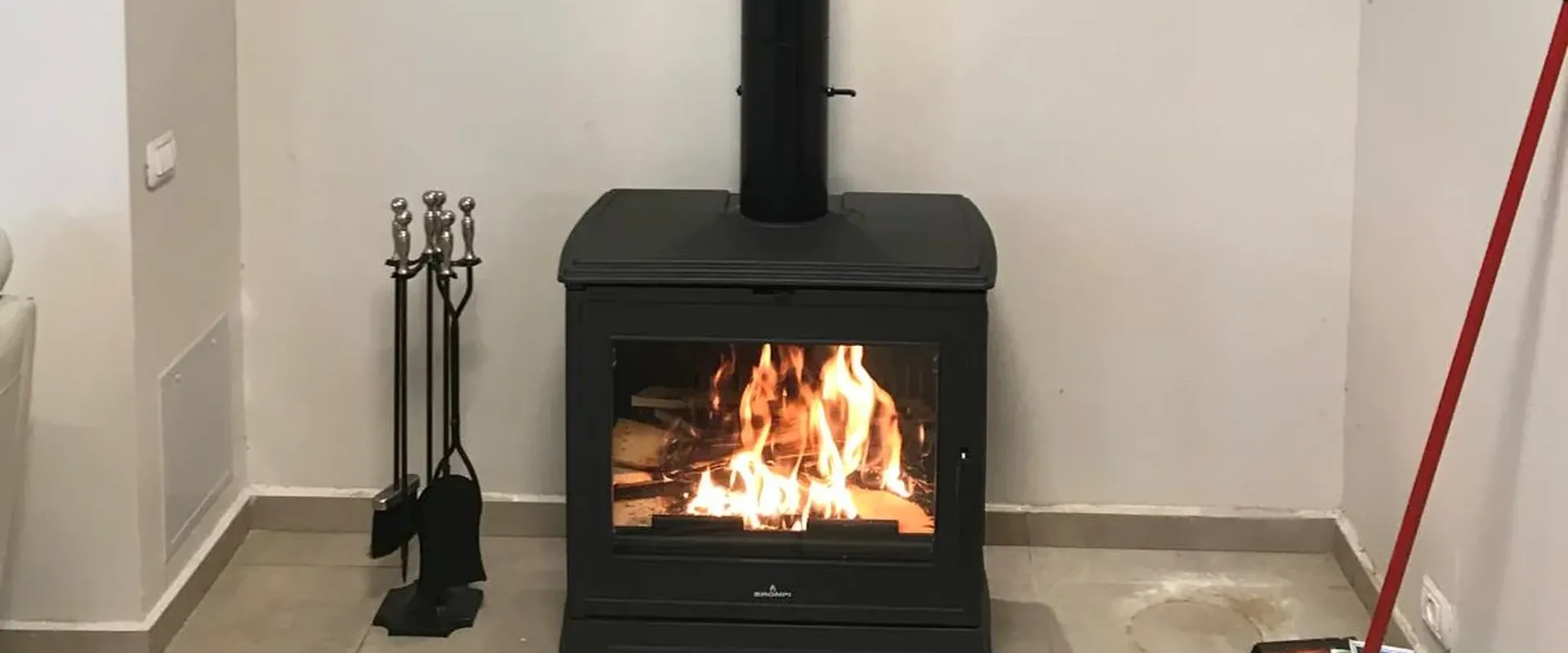
Most people choose heating fuel by the price per bale or per bag — without knowing what they are really getting: moisture content, actual volume, wood species, how it was stored, and what it does to the fireplace. The result is familiar: hard to light, smoke, odour, soot in the chimney, and a feeling that the fireplace "doesn't work".
At Hot House we see this in the field — not just as a shop. Pavel and the service team install, maintain and support customers over many years. When heating fuel is sold by the same professional hands, there is no room for compromise: damp wood, wood that was not properly cut and dried, or stock kept in humid conditions — all of these harm the fireplace and your safety.
This guide brings together what you need to know before ordering: standards in Israel, the difference between local and imported wood, what "disinfected and kiln-dried" means, and how to choose pellets and briquettes without compromising on a genuine heating experience.
Why fuel quality matters more than the price per bale
Heating fuel is not "cheap fuel" — it is part of a system: the fireplace, the chimney, room ventilation and usage habits. Damp wood produces smoke, reduces heat output, dirties the chimney and shortens the life of the fireplace. Low-quality briquettes or pellets give unstable combustion.
A price that is too low sometimes points to high moisture, poor storage, a volume that does not match what you receive, or a wood mix that is unsuitable for the fireplace. It is worth asking — and checking — before you order.
- Easier, cleaner lighting — less smoke and soot
- Protecting the chimney and fireplace over time
- Steady, pleasant heat — without a "battle" with the logs every evening
- Safety: dry, properly stored fuel burns more predictably
Standards in Israel: what applies to local and imported wood
In Israel there are requirements and oversight covering the cutting, marketing and quality of firewood — especially for wood intended for burning at home. It is important to distinguish between "wood that looks dry" and wood that has gone through a controlled process: cutting, drying, storage and labelling of origin.
Quality imported wood — like the wood from Chile that we supply — arrives disinfected and kiln-dried to strict European standards. That is not the same as "natural drying in the field" or local heat treatment, which does not always deliver the same consistency. Both routes (imported and Israeli) can be excellent — provided you know what you are buying and how to store it.
Imported wood: disinfected, kiln-dried, oak and beech
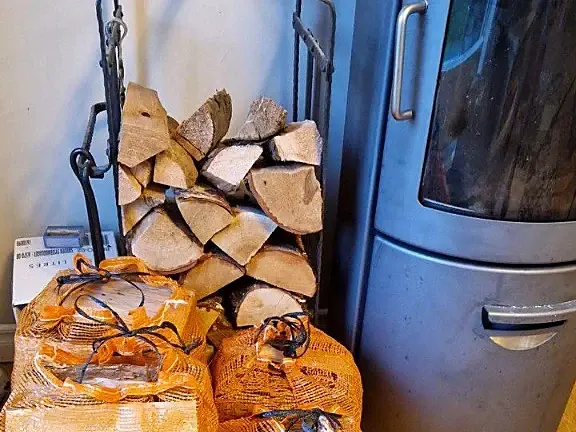
Oak and beech imported from Chile are cut and kiln-dried — cleaner combustion, fewer moisture surprises, and better protection for the chimney. Available in different volumes (small, medium, large) to suit your storage and consumption.
Israeli wood: local, available, with moisture control
Israeli wood (for example a eucalyptus mix) can be an excellent fit when the moisture is controlled (e.g. 15–17% where stated), storage is right and the match to the fireplace is clear. The advantage: availability, plus local service and support.
Heating pellets and briquettes: not the same as ordinary wood
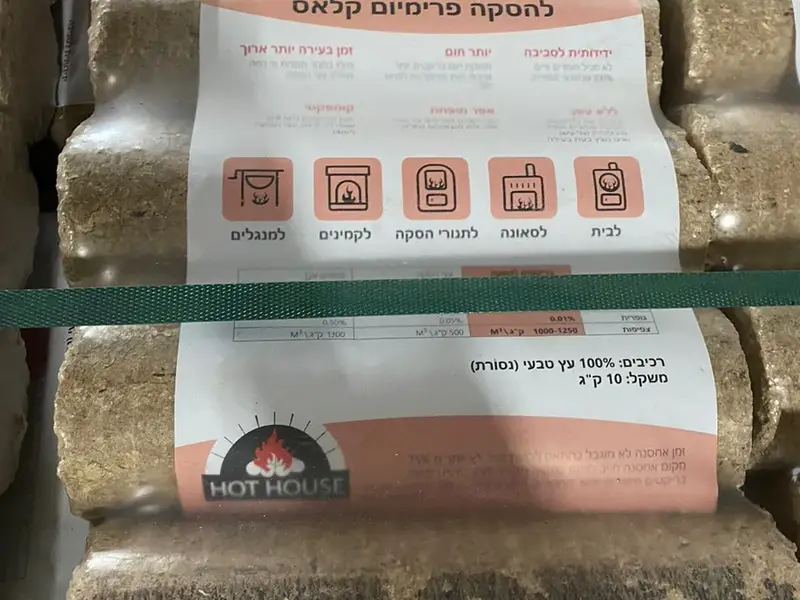
Heating pellets are intended for pellet stoves — they require dry storage, compatibility with the model and sometimes the manufacturer's quality standard. Briquettes suit most wood-burning fireplaces and give relatively stable, clean combustion with high efficiency — provided the product is of good quality and has not been kept in damp conditions.
Here too: a reliable source and advice before buying save frustration — especially when the fireplace is already installed and you do not want to "try another bag".
Heating material categories - by what suits your fireplace
No need to browse a whole catalog - pick a category, check suitability and order with guidance.
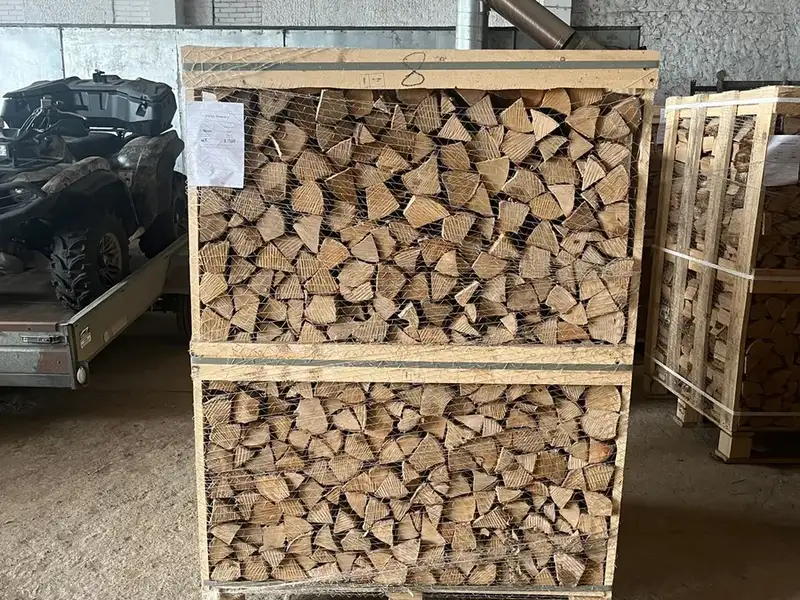
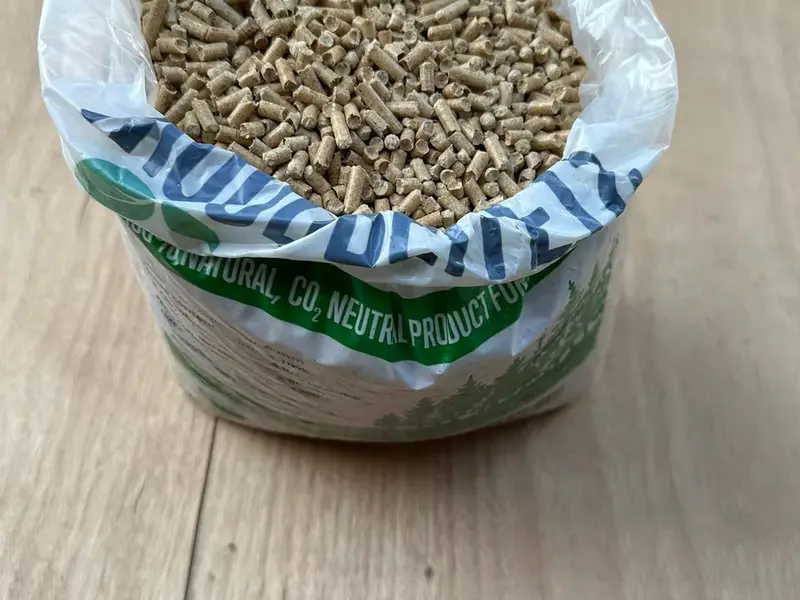
Storage: where quality ends — even after you bought right
Excellent wood kept directly on the ground, in damp conditions or in the sun will deteriorate. Proper storage: a dry, ventilated place, protected from rain and moisture — not packed tightly indoors without ventilation.
Before your first order, a short consultation is recommended: what volume, which type of wood, and how to store it based on your space.
Want advice on heating fuel and matching it to your fireplace?
Leave your details — we'll get back to you with a professional recommendation (not just a price per bale).
Buy from someone who understands firewood — not just price
Hot House is not a "wood trader" — we are a professional house for fireplaces, installation, service and heating fuels. When the technician who knows your fireplace is also responsible for what you burn in it, the interest is clear-cut: a genuine heating experience, with no frustration, no damp wood and no fireplace damaged by improper use.
We choose suppliers, drying processes and storage according to what we would want to put in the fireplace in our own home — not according to what looks cheap in a catalogue.
Worth checking beforehand
- What the moisture percentage is (where stated) — and if there is no figure, ask explicitly
- Origin of the wood: imported kiln-dried / controlled Israeli
- Actual volume: bale, stack or bag — and whether it fits your storage
- Compatibility with the fireplace: wood / pellets / briquettes according to the model
- How the stock was stored before delivery
Common mistakes
- Choosing by price per bale alone — without checking moisture and volume
- Storing in the yard without cover or directly on the ground
- Mixing wood types that do not suit the same fire
- Buying from a seller who does not know your fireplace
- Assuming that "all wood is the same"
Good to know: Use only heating fuels intended for your fireplace. Do not burn treated wood, boards or waste — this is a health and safety risk. In case of unusual smoke or difficulty lighting — stop, ventilate and check moisture and storage before continuing.
Frequently asked questions
What is the difference between kiln-dried wood and Israeli wood?
Quality imported wood is disinfected and kiln-dried to European standards — giving highly consistent moisture levels. Israeli wood can be excellent when moisture is controlled and storage is correct. The key is transparency about origin and proper advice — not a marketing slogan.
Why does cheap wood sometimes end up expensive?
Damp wood gives less heat and more smoke and soot, adds to the chimney-cleaning burden and shortens the life of the fireplace. Sometimes a "saving" turns into maintenance costs and frustration.
Are briquettes suitable for every wood-burning fireplace?
Briquettes suit most wood-burning fireplaces — it is important to confirm compatibility with the model, dry storage and product quality. We will be happy to advise before you buy.
How do you know a seller is honest?
Ask about origin, moisture, volume and storage — and who provides service after the sale. A business that installs and maintains fireplaces usually won't want you burning junk in a fireplace it is responsible for.
Further reading
- All heating fuels
- Firewood — catalogue
- Heating pellets
- Briquettes
- Fireplace service and maintenance
- Contact us for advice
Get advice on heating fuel before you order
Tell us about your fireplace, storage and consumption — and we'll come back with a professional recommendation.