Buying guide · Wood-burning fireplace and pellet stove
Pellet Stove vs Wood-Burning Fireplace: Which Suits Your Lifestyle?
A pellet stove and a wood-burning fireplace are two paths to warm luxury at home — but not for the same lifestyle. One offers ritual and power; the other convenience, control and everyday cleanliness.
Pellet stove vs wood-burning fireplace: not “which is better” — but how you live
In some homes the fire is a ritual: splitting a log, the scent of wood, the slow pace of an evening. In others the fire is precise convenience — heat on time, clean glass, and carrying on with the routine without stopping in the middle of the day.
Both types can be premium. The difference is which heating experience suits your lifestyle.
Wood-burning fireplace: romance, power and presence
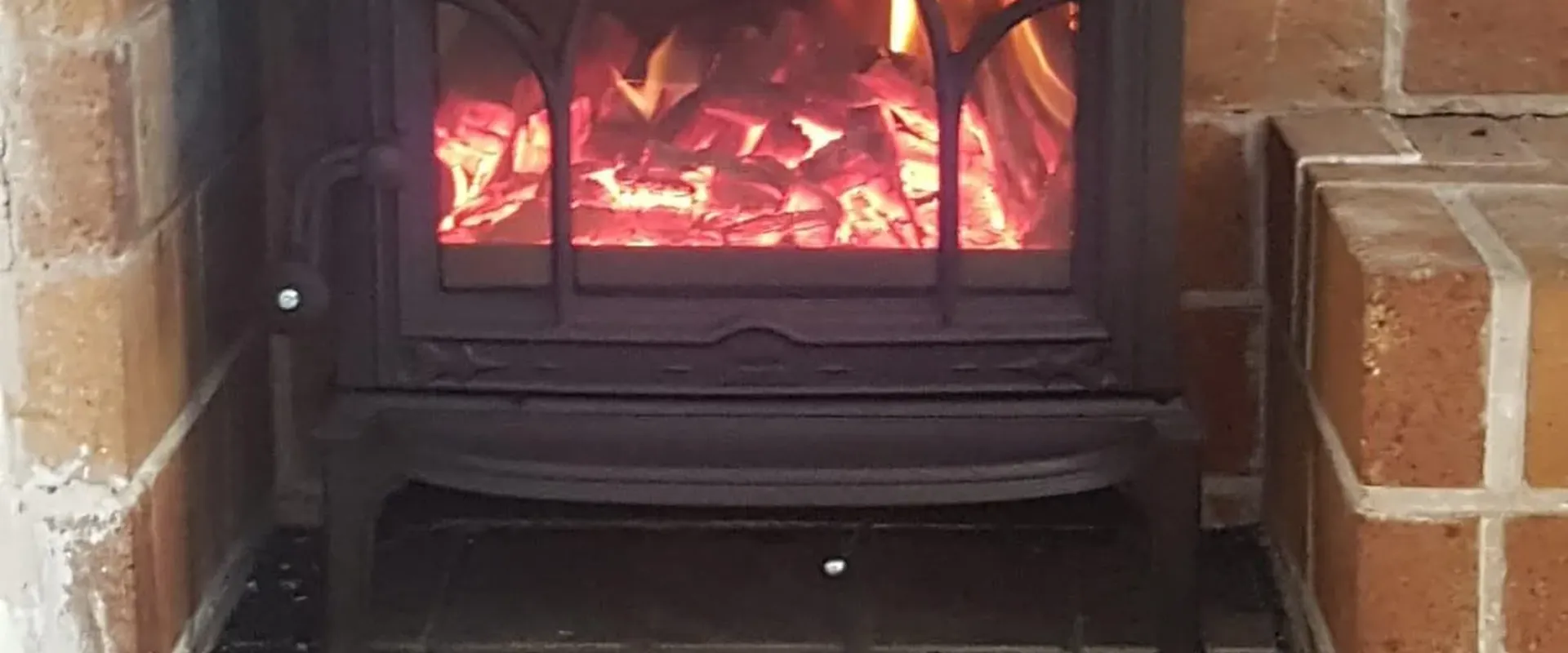
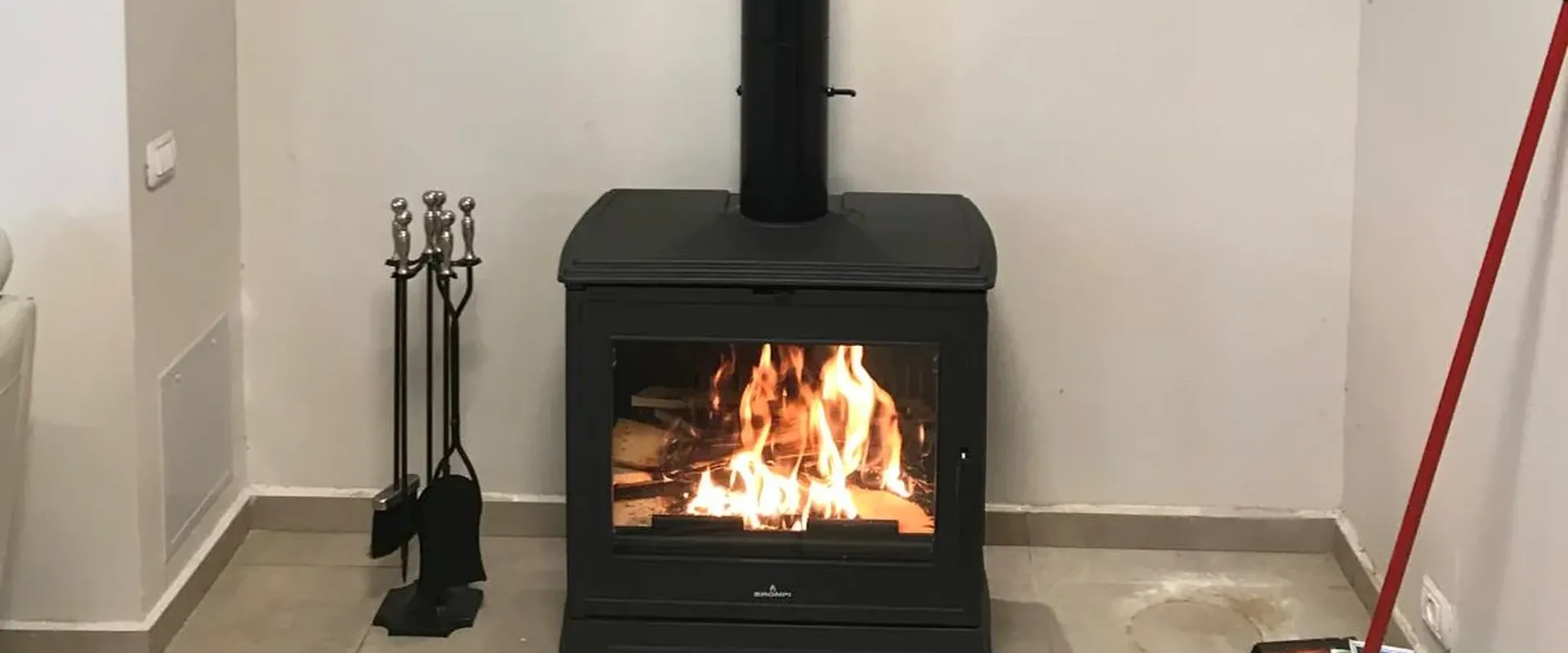
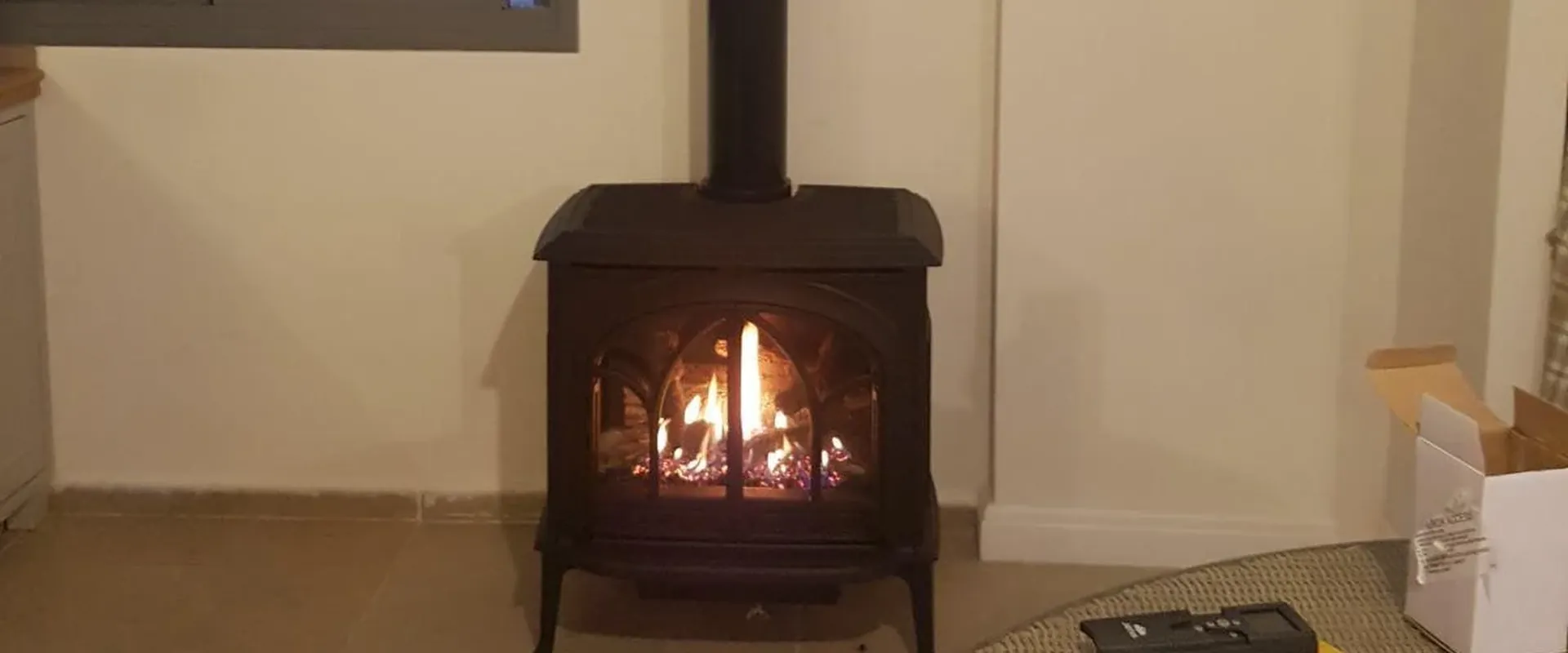
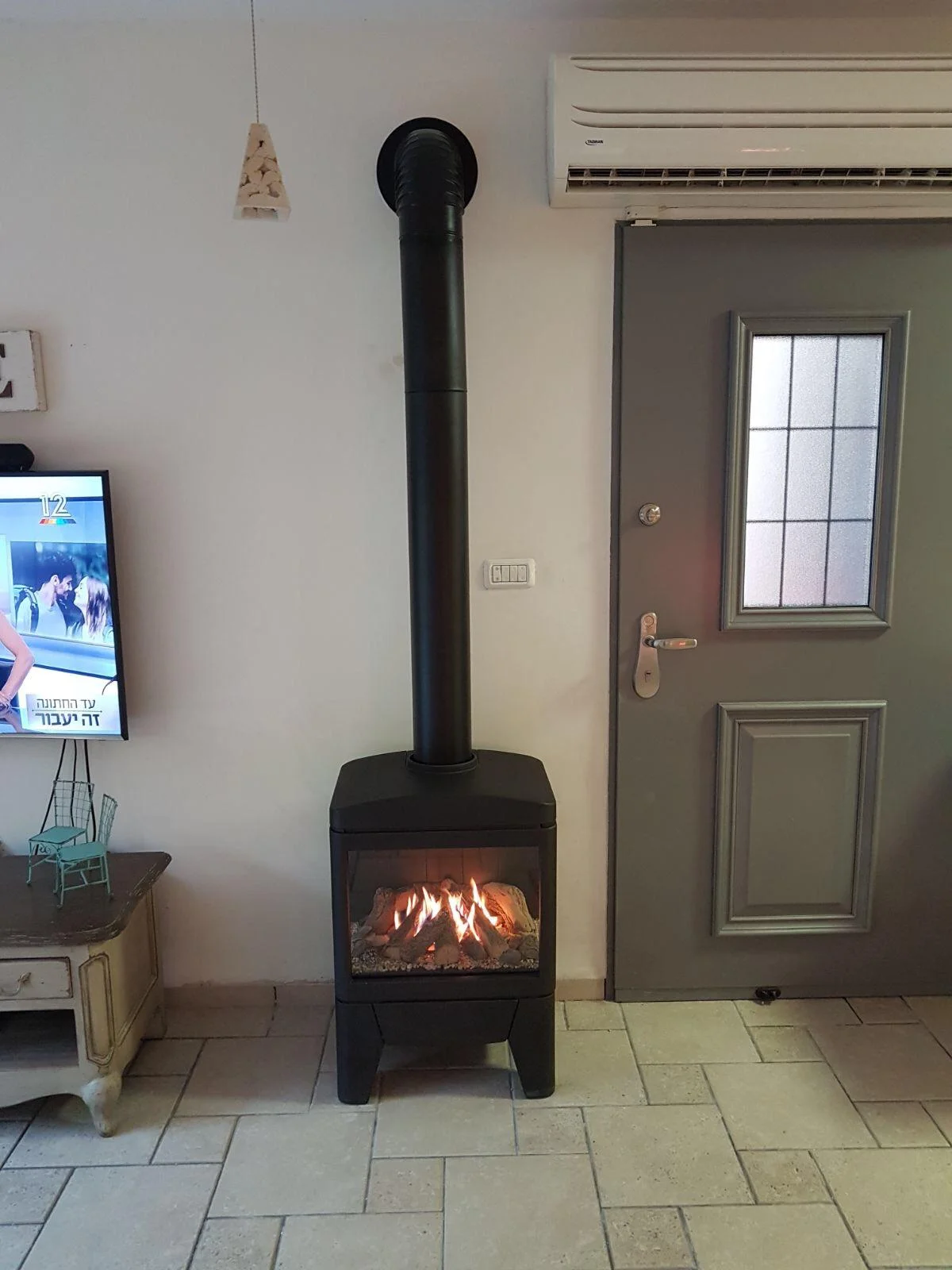
A wood-burning fireplace gives a space character. The changing flame, the sound of the wood and the direct heat create a living architectural feel — especially in models with wide glass.
Who it suits best
- Those who love the ritual of lighting and contact with the material.
- Those who have space to store dry, quality wood.
- Those looking for a strong design presence and deep warmth for long evenings.
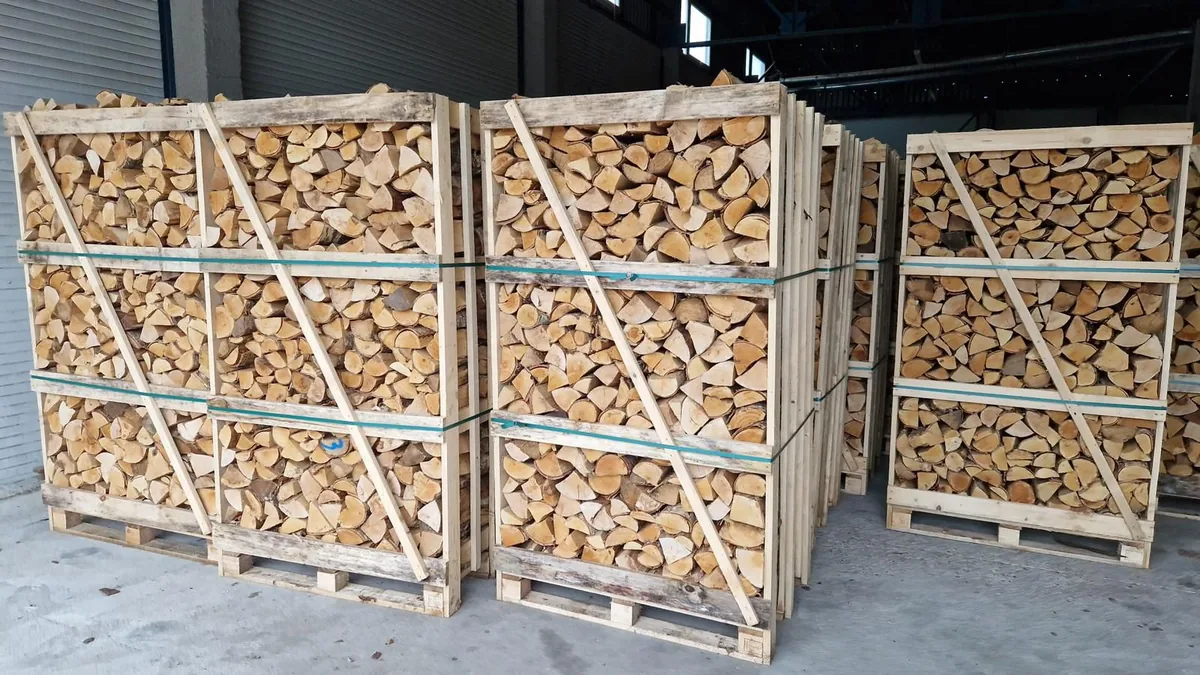
Pellet stove: convenience, control and everyday cleanliness
Modern pellet stoves are built for those who want steady heat without turning winter into an operational project. Automatic feeding, precise regulation, and on many models convenient control depending on the model.
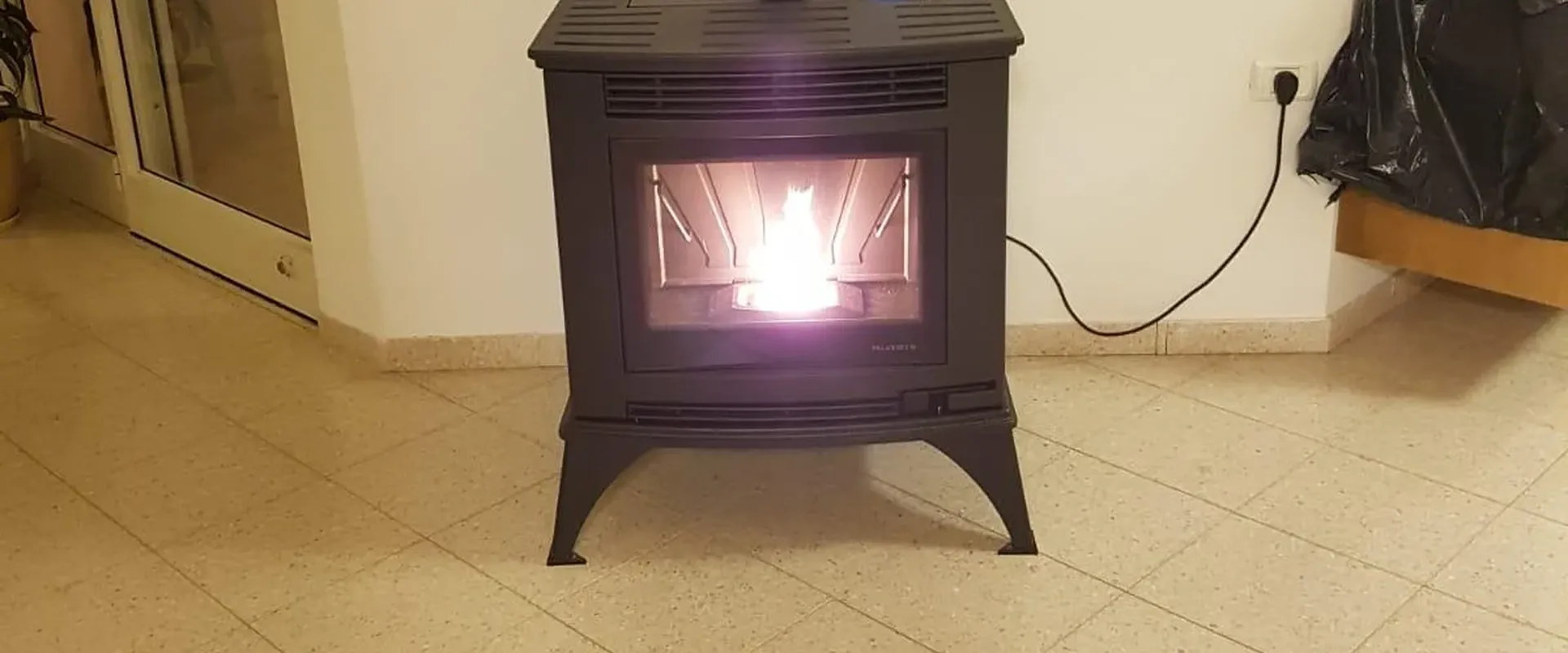
Who it suits best
- Those who prefer clean, precise operation with less day-to-day work.
- Those who want constant heat even when they are not home all day.
- Those looking for a solution with more compact fuel storage.
Quick comparison for decision-making
- Fire experience: wood — ritual and variety; pellets — stability and control.
- Maintenance: wood — ash and logs; pellets — care of the feed assembly according to the manufacturer's instructions.
- Storage: wood requires volume and drying; pellets come in more convenient packaging.
- Routine: wood rewards those who enjoy the process; pellets reward those who want results at the push of a button.
How to choose without regrets
- Write down a typical winter week: who is at home, when heat is needed, and how much time there is for the lighting ritual.
- Check the infrastructure: chimney, location, storage and access to heating fuels.
- Set your design priority: a freestanding sculpture at the centre, or quiet integration into the wall.
- Compare real models in the catalogue — not just a general category.
For more on heating fuel quality: Heating fuel quality guide.
In summary
Once the decision is clear — all that remains is to match a model to the space.
Ready to choose?
Pellet stove catalogue ·
Wood-burning fireplace catalogue ·
Professional advice
Frequently asked questions
Which is more economical in the long run — a wood-burning fireplace or a pellet stove?
It depends on your lifestyle and on fuel prices in your area. Pellets usually allow more precise control of consumption; wood can be economical with a quality source and a place to dry it.
Does a pellet stove feel less authentic than a wood-burning fireplace?
In quality models the flame and heat are impressive. The main difference is ritual versus everyday convenience and control.
Can you combine a wood-burning fireplace and a pellet stove in the same home?
Yes, in large homes or homes with separate wings. Usually one system is chosen for the main living space. Professional advice will save an unnecessary double installation.